PS C:\DevProjects\DevBlog> Get-Content .\AI\HowGamingSkillsGive.md
How Gaming Skills Give Developers an Edge in the AI Era
Why countless hours in RTS and automation games might be the best preparation for the new era of agentic software development.
On this page
PS C:\DevProjects\DevBlog> Get-Content .\Thoughts\GamingMindset.md
🎯 Introduction
For decades, gaming was often dismissed as a distraction - a “time sink” that pulled developers away from more “productive” pursuits. But as we transition into the Agentic Era of software development, where we no longer just write lines of code but orchestrate teams of AI assistants, the script has flipped.
If you grew up managing resource chains in Factorio, micro-managing units in StarCraft, or optimizing party builds in an RPG, you’ve been training for the future of engineering without even realizing it. In this post, we’ll explore why the “Gamer Mindset” is becoming a primary competitive advantage for modern developers.
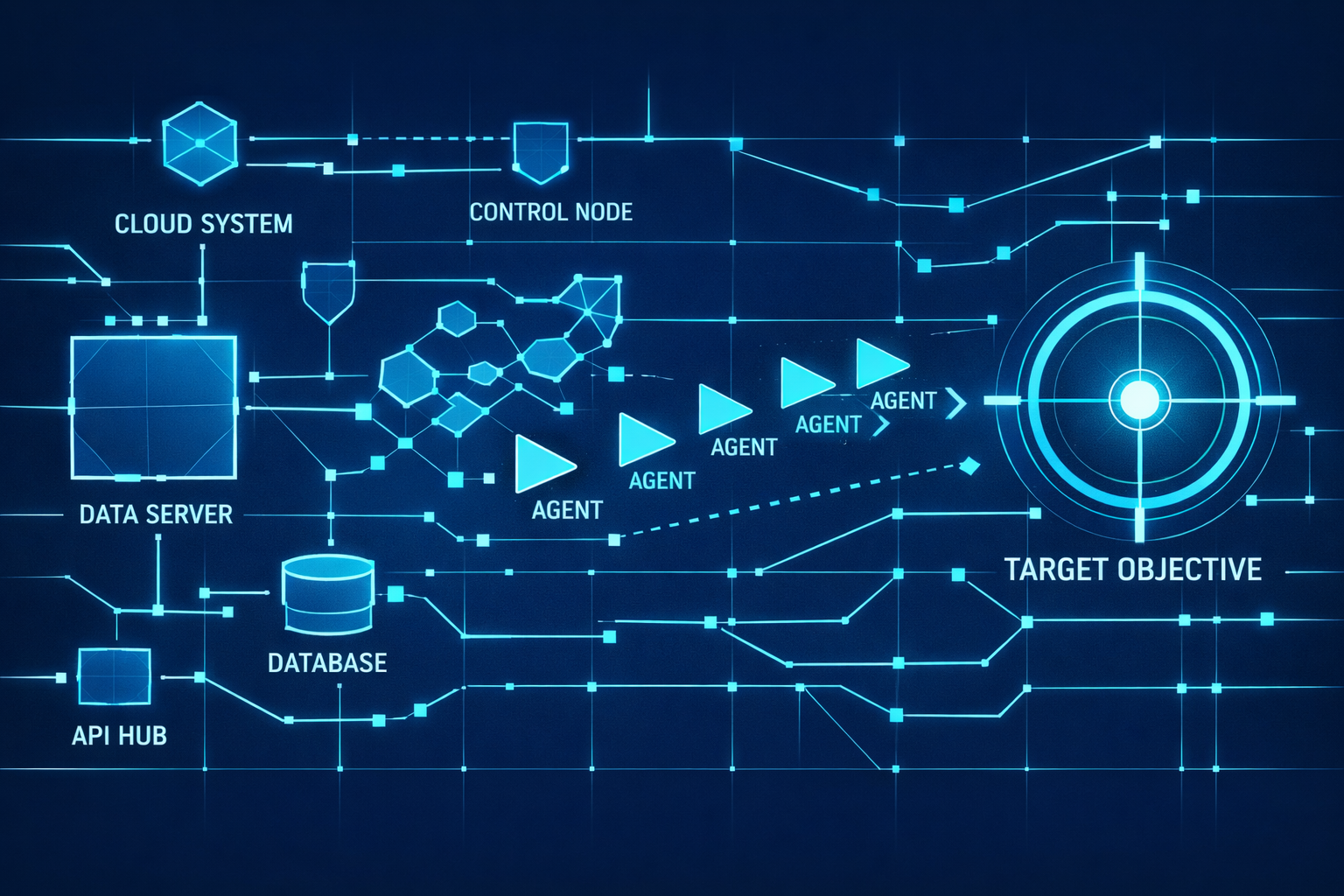
🕹️ The RTS Analogy: From Unit Micro to Agent Orchestration
In the old world, coding was a single-player, turn-based game. You wrote code, you compiled it, you fixed the error.
Today, it’s a Real-Time Strategy (RTS) game. When I’m working on a complex system integration, I might have one AI agent refactoring a key module, another drafting unit tests, and a third analyzing a telemetry trace.
Gamers who are used to “minimap awareness” excel here because they:
- Monitor Parallel Threads: Keeping track of what each agent is doing without losing the “Main Quest” objective.
- Allocate Resources: Knowing when to give an agent a more “expensive” model (GPT-4o/Claude 3.5 Sonnet) versus a faster, cheaper one for boilerplate.
- Handle Unexpected “Aggro”: When an AI agent hallucination occurs (the “enemy encounter”), gamers don’t panic. They iterate, pivot, and re-issue commands.
🧩 Systems Thinking: The “Factorio” Effect
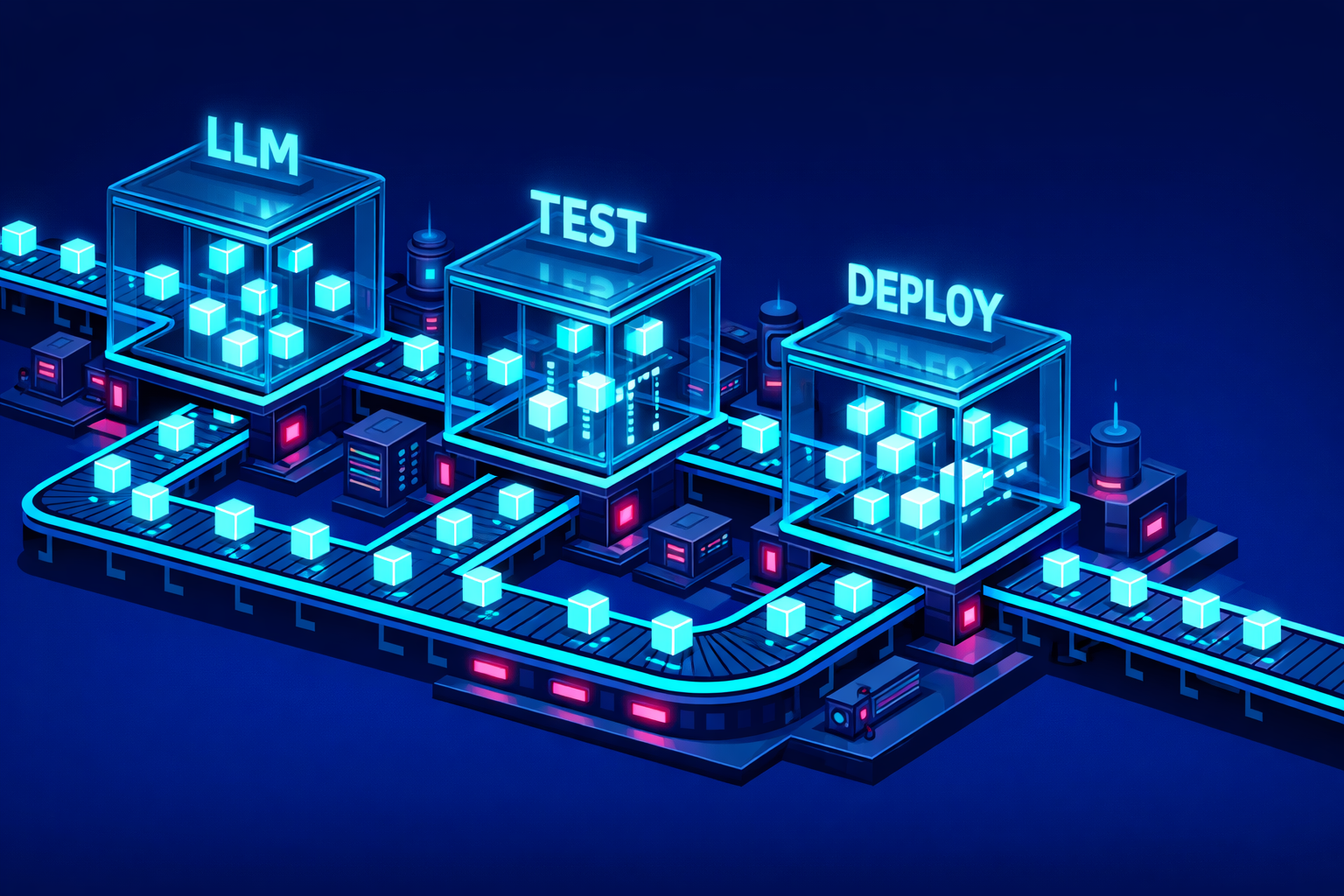
Automation games like Factorio or Satisfactory are essentially visually-mapped CI/CD pipelines. They teach you that every input has a cost, and every bottleneck is a puzzle to be solved.
In AI development, your Prompt is the input, and the Code is the product. If the output is flawed, a systems-thinking developer looks at the “belt” (the workflow) instead of just the “machine” (the LLM).
| Gaming Genre | AI Development Skill | The Professional Parallel |
|---|---|---|
| RTS (StarCraft, AoE) | Orchestration | Managing multiple concurrent AI agents to solve one larger epic. |
| Automation (Factorio) | Pipeline Optimization | Designing loops where AI output feeds back into validation steps. |
| RPG (Baldur’s Gate) | Specialist Selection | Choosing the right “Party Member” (specific LLM or MCP server) for the task. |
| Puzzlers (Portal, Talos) | Prompt Engineering | Thinking outside the box to bypass logic constraints. |
🤝 Delegation and the “Human-in-the-Loop”
One of the hardest things for developers to learn is Trust. Gamers, however, are used to NPCs (Non-Player Characters) and automated units.
In an RPG, you don’t control every sword swing of your companions; you set their strategy and let them execute. Modern AI development requires the same mindset. You provide the Intent and Constraints, and then you must have the discipline to let the AI “grind” through the boilerplate while you focus on the architecture.
The “Party Leader” Rule: You are no longer the lone warrior. You are the Party Leader. Your job isn’t to do everything; it’s to ensure everyone is working toward the same objective.
🔄 Iterative Mastery: Embracing the “Game Over”
In gaming, failure is data. A “Game Over” screen isn’t a rejection; it’s a prompt to try a different build or strategy.
AI development is inherently probabilistic. Your first prompt might fail. The second might hallucinate. A gamer-developer treats this like a boss fight. You analyze the patterns, adjust your prompt (your “gear”), and go again. This resilience - this lack of “ego” toward broken code - makes gamers significantly faster at adopting AI tools.
🚀 Conclusion
The gap between “playing” and “working” is shrinking. The skills required to manage a 40-man raid in World of Warcraft - communication, resource management, and strategic alignment - are eerily similar to managing an enterprise-scale AI-assisted development project.
If you’ve been worried that your gaming hobby was “wasted time,” it’s time to update your internal manifest. You weren’t wasting time; you were practicing for the final level of software engineering.
PS C:\DevProjects\DevBlog> Start-Process -FilePath .\Career\LevelUp.exe -Verb RunAs
What games have influenced your coding style the most? Let’s discuss on LinkedIn or Bluesky!